What is automotive welding? A complete guide
How vehicles get welded together — and how vision-guided robots are changing the process.
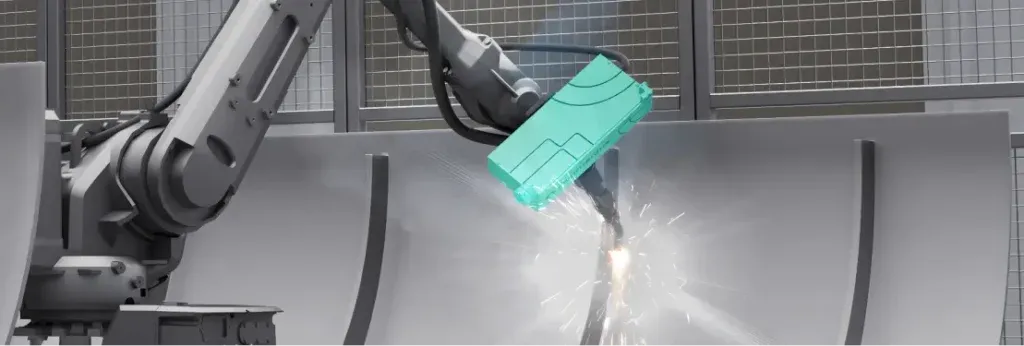
Automotive welding is the process of joining the metal components that make up a vehicle — body panels, chassis sections, structural reinforcements, exhaust systems. Vehicles are essentially welded assemblies on wheels, and the quality of those welds determines everything from crash safety to ride quality.
What automotive welding actually involves
A modern vehicle uses many welding techniques, applied at different stages:
- MIG welding for steel body panels — the most common method.
- Resistance spot welding for joining thin sheets without filler material.
- TIG welding for stainless and aluminium components.
- Laser welding for tailored blanks and precision joints.
Each method has its own equipment, parameters, and quality control regime. Body shops typically combine several in sequence.
Manual vs robotic
The headline trend in automotive welding over the last forty years has been robotisation. High-volume body lines are almost entirely robotic; spot welding is done by robotic guns operating at sustained duty cycles. Manual welding survives in repair work, low-volume specialty manufacturing, and quality rework.
Where vision-guided welding fits
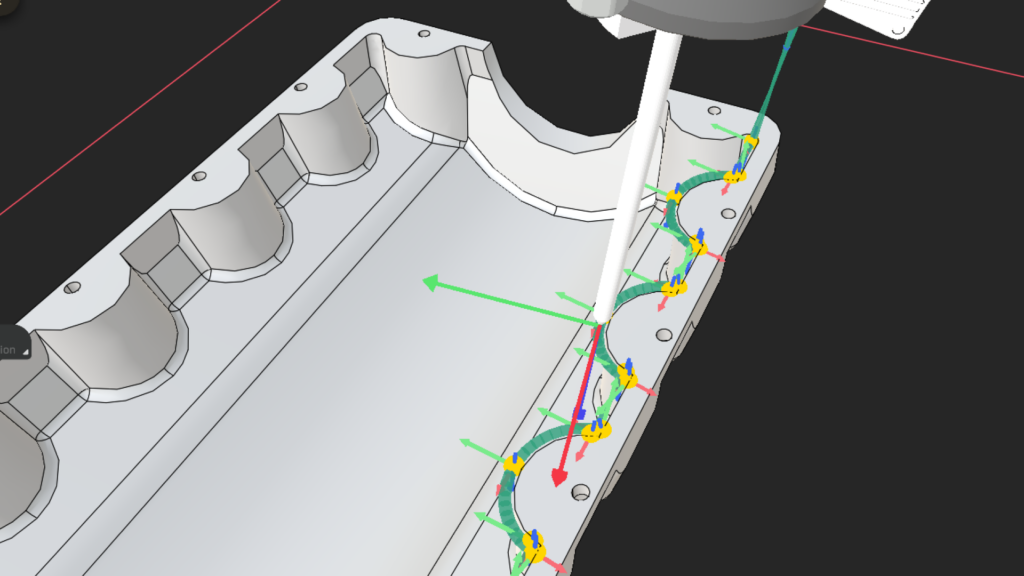
Even with robots, the historical limit has been fixturing accuracy. Parts that aren't fixtured exactly where the program expects produce defective welds. The newest generation of welding cells uses vision and seam tracking to find the actual joint and correct in real time.
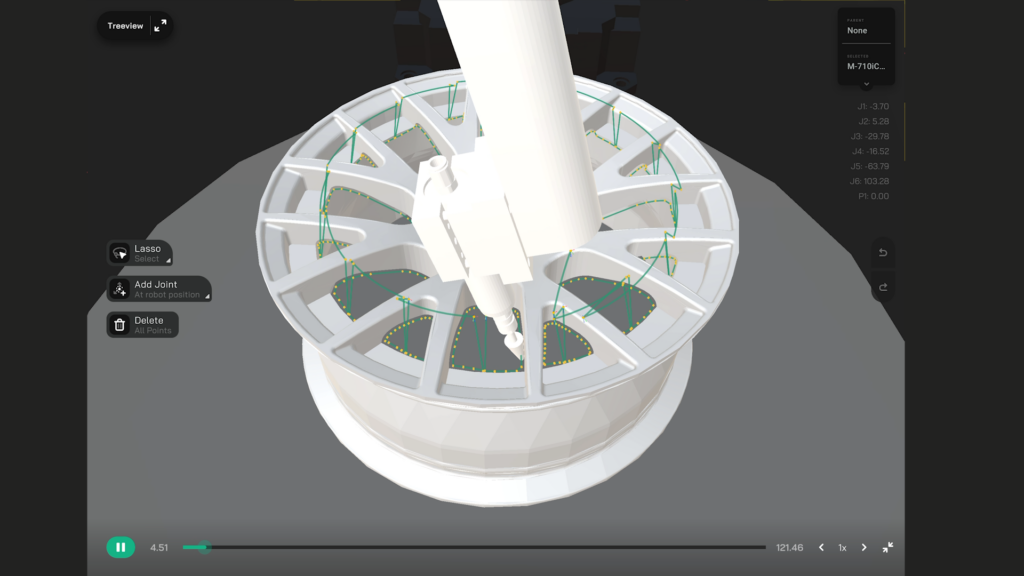
Augmentus' scan-to-weld workflow generates the welding path from 3D-scanned part geometry, and adapts at execution. For automotive suppliers running mixed-component lines — exhausts, chassis subassemblies, body subframes — that flexibility is what makes the cell economically viable.