When was the first robotic arm made? The evolution of industrial robots
From Unimate to AI-driven adaptive systems — how robotic arms got here.

The first industrial robotic arm was installed at a General Motors plant in 1961. It was called Unimate, and it moved hot die-cast metal parts away from a stamping press — a job that was hazardous and brutal for human operators. The arm cost about $25,000 in 1961 dollars. The world changed slowly afterward.
The early years
In the decades that followed, robotic arms moved out of automotive and into electronics, packaging, and general manufacturing. The major brand families we recognise today — ABB, KUKA, Fanuc, Yaskawa — all emerged or matured through this period. Their controllers became reliable. Their motion planning matured. Their safety systems became certifiable.
The collaborative-robot era
The 2010s introduced cobots — collaborative robots designed to work alongside humans without safety fencing. Universal Robots led this category. Cobots brought automation into shops that had never considered it: small fabricators, electronics assemblers, lab automation. The price point dropped. The deployment time dropped.
The current era: AI-driven adaptation
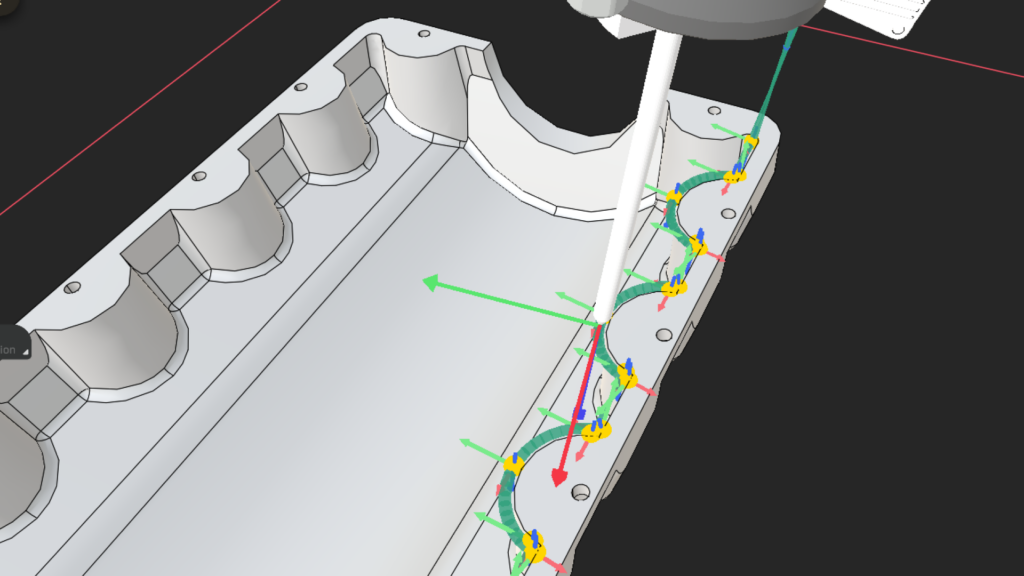
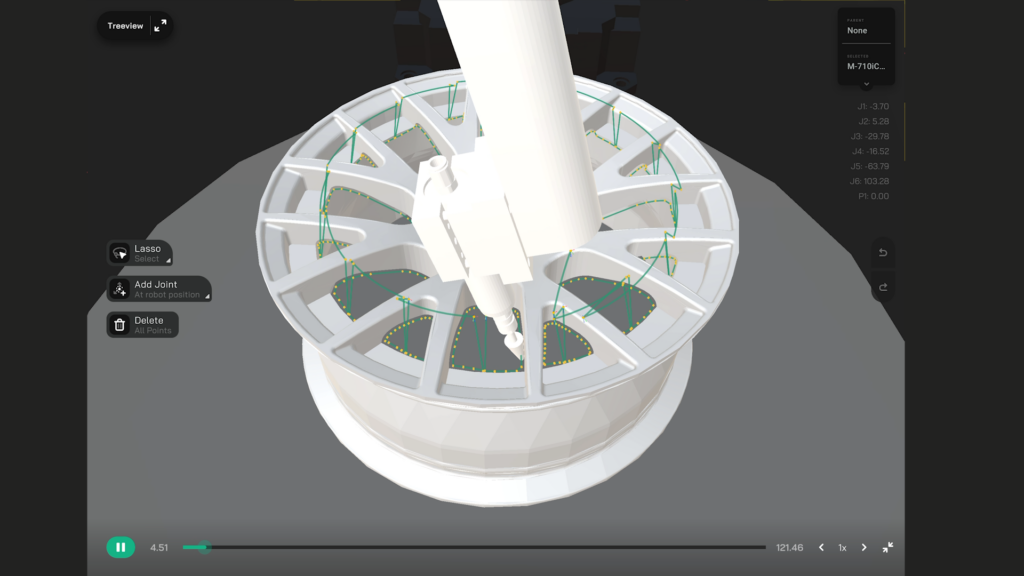
The 2020s are bringing the next layer. Robotic arms are increasingly paired with perception systems — cameras, 3D scanners, force sensors — and AI-driven planners that generate paths from real-world geometry rather than from pre-recorded waypoints.
This is the change that finally pulls robotic automation into high-mix, low-volume manufacturing. Augmentus is one of the platforms delivering this for industrial use today.
What's next
The horizon question is autonomy: how much of the process decision-making can move from human engineers to the robotic platform itself? The answer keeps moving outward. The arms themselves haven't changed dramatically; the brains around them are what's evolving.