Industries transformed by robotics in 2024
A snapshot of where robotic automation moved fastest through the year — and why.

2024 was a transitional year for industrial robotics. AI-driven path planning matured to the point where it became deployable rather than experimental. Welding automation crossed into shops that had previously resisted it. And general industry — small and mid-sized manufacturers — adopted robots at a faster clip than at any point in the previous decade.
What changed
Three threads were running at the same time:
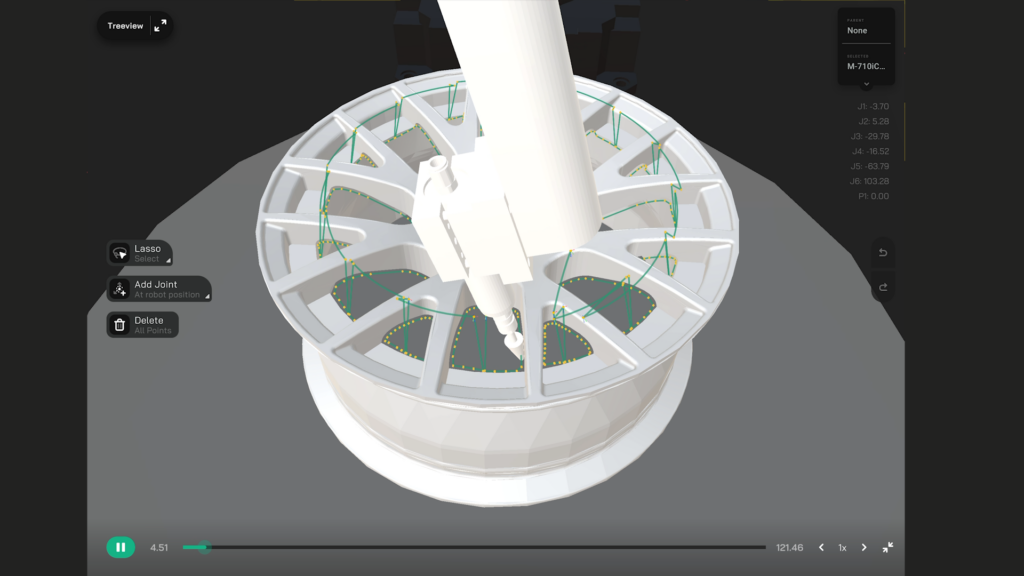
- AI moved from research to deployment. Path planning, vision-guided adaptation, and process recipe inference shifted from journals into actual cells.
- High-deposition welding gained traction in heavy-equipment manufacturing — bridges, ships, structural steel — where the per-weld cost has been a constraint for years.
- General industry — particularly mid-sized manufacturers in metalwork and finishing — found cell-level automation economically reachable for the first time.
The thread underneath
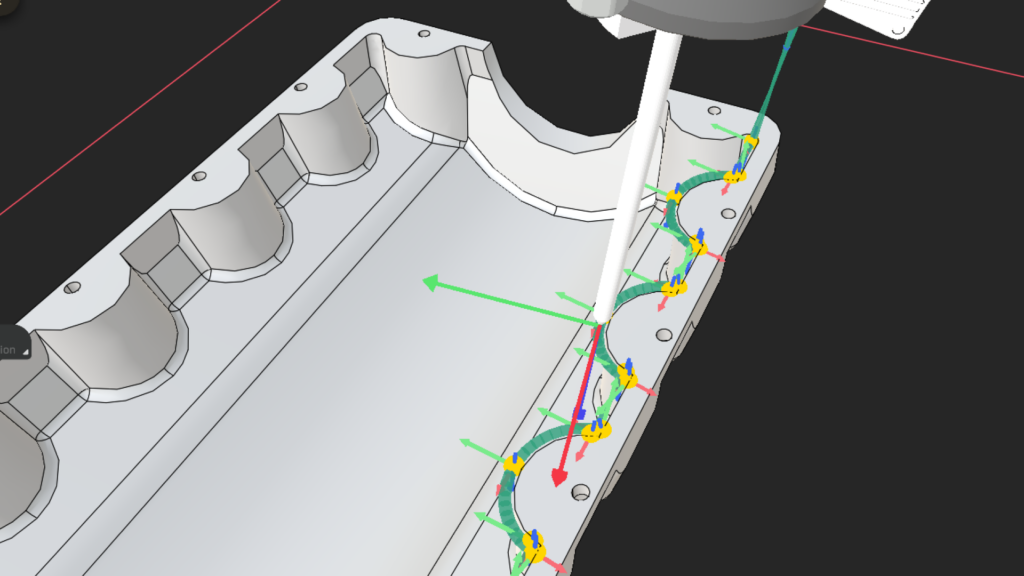
The common factor across these threads was the same: programming overhead. Wherever the cost of programming for a new variant could be reduced, automation moved in. AI helped reduce it. No-code platforms reduced it directly. Vision-guided systems reduced it by removing the need for precise fixturing.
What to watch
The shift continues into 2025 and 2026. The frontier is closed-loop systems that not only generate paths from the real geometry but also adapt in real time during execution. That capability is what makes high-mix, low-volume work economically viable.