Industrial robot integration: the top three challenges
Cost, workforce, and cybersecurity — what to plan for before your first cell goes in.

The case for industrial robots is well-rehearsed: higher throughput, more consistent quality, lower exposure of workers to hazardous tasks. The case against — or at least, the reasons most plants put off the decision — comes down to three recurring concerns.
Cost of integration
The robot itself is rarely the dominant line item. Fixtures, controls, safety systems, programming time, and integrator fees add up faster than the arm. For a high-mix line, the per-variant programming cost is the silent killer of ROI.
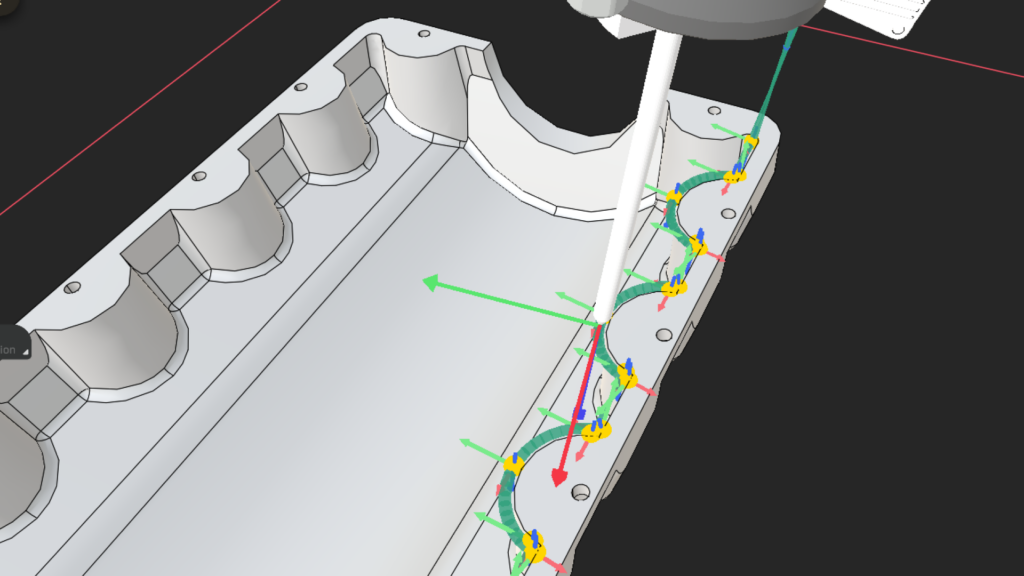
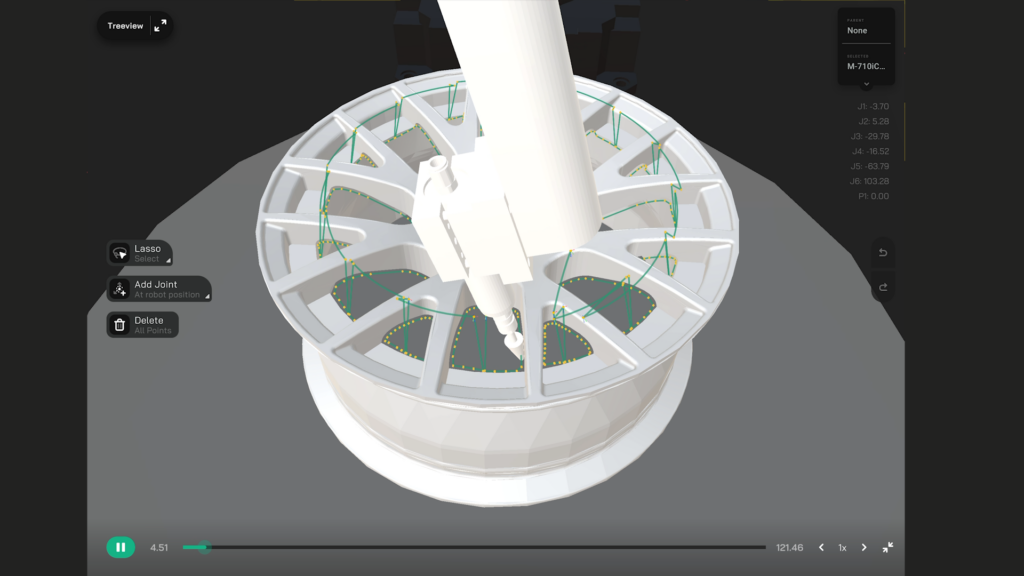
The newer generation of no-code, scan-driven platforms collapses the programming cost. That changes the integration math significantly for any plant running mixed work.
Workplace impact
The workforce question splits in two: the upskilling of existing operators, and the recruitment of people willing to work alongside robots. Most plants find both are easier than they expected, but it does need active management. Robots that are easy to interact with — through a tablet, through no-code recipe selection — make this transition smoother.
Cybersecurity
A networked robot is an attack surface. Modern industrial cells run on industrial Ethernet, often share networks with the rest of the plant, and frequently connect to remote monitoring services. Treating the cell as part of the plant's IT perimeter, not an island, is the right model.
For platforms like Augmentus that connect to controllers, encrypted endpoints and per-customer access controls are standard. The integration shouldn't add a new vulnerability.