Autonomous sandblasting for aerospace MRO
How Augmentus unlocks high-mix, rapid-turnaround blasting operations for aviation maintenance.
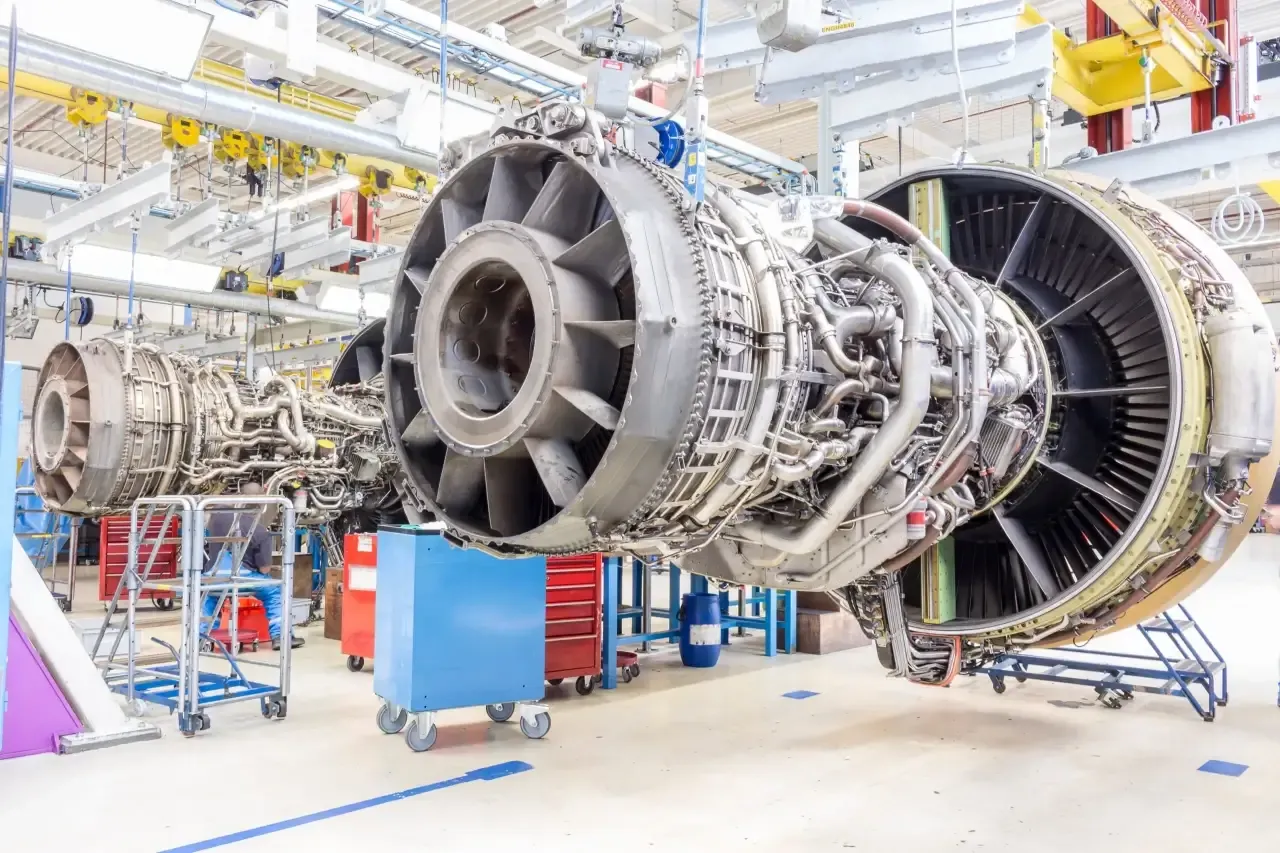
Aerospace MRO blasting cells live with a brutal version of the high-mix problem. Every component that lands at the cell is, by definition, used — meaning it carries individual wear patterns, repair history, and dimensional drift that no CAD model will tell you about. A traditional programmed cell either spends days re-teaching for each part or accepts the cost of hand-blasting.
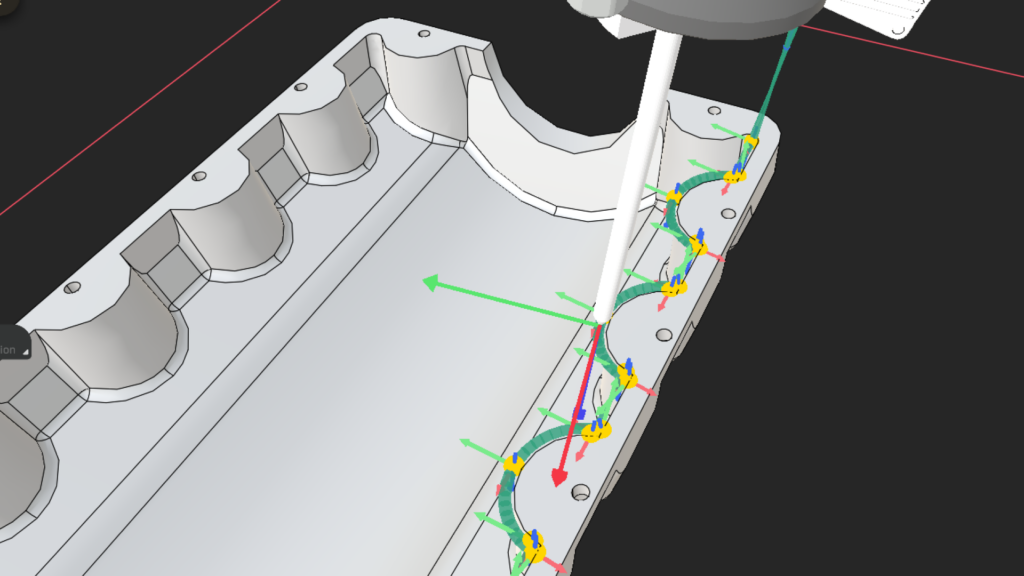
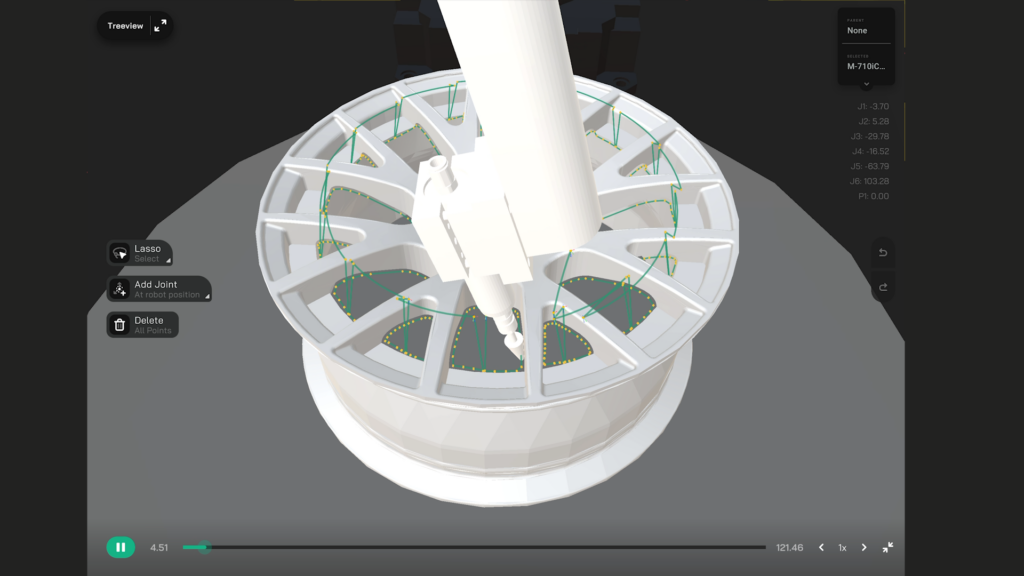
Augmentus flips the workflow. An Augmentus Vision sensor builds a dense 3D reconstruction of the part as it sits in the cell; the platform generates a collision-free blasting toolpath that respects the recipe's standoff, dwell, and coverage rules; the operator runs the cycle. Total wall-clock from part-in to blast-start: under 30 minutes for typical components.
What changes for an MRO operator
Three things shift when blasting is scan-driven instead of teach-driven. First, the operator skill required to run a part is much lower — the cell becomes operator-staffed, not programmer-staffed. Second, the cycle is consistent: the same recipe produces the same surface finish regardless of which aircraft the part came off. Third, parts that were previously hand-blasted because programming wasn't economic now flow through the automated cell.
For high-turnover MRO operations, the unlock is throughput. The same number of cells absorb more SKUs because each SKU costs less to onboard.
Where to take this next
If you're running an aviation MRO line and your blasting cell is the throughput bottleneck, the scan-to-path workflow is worth a working demo on one of your parts. Schedule a demo.