Are all robot programming languages the same?
Five flavours of robot language, why they exist, and what a vendor-neutral platform changes.

Walk onto any factory floor with mixed-brand robots and you'll find a quiet language barrier between cells. ABB controllers speak RAPID. KUKA arms speak KRL. Universal Robots run URScript. Yaskawa Motomans use INFORM. FANUC has KAREL and TPP. Every dialect was designed to expose the strengths of its controller — and to keep your code tied to that brand.
Why so many languages?
Each vendor's language reflects the architecture of its controller. RAPID's strength is its concurrent task model. KRL's strength is its tight integration with KUKA's safety and motion planner. URScript favours readability for cobot operators. They are not interchangeable; ports between them require real engineering work.
For an integrator running mixed fleets, this fragmentation is a permanent tax. Every new variant or process change has to be implemented in every dialect that ships it.
Where a vendor-neutral layer helps
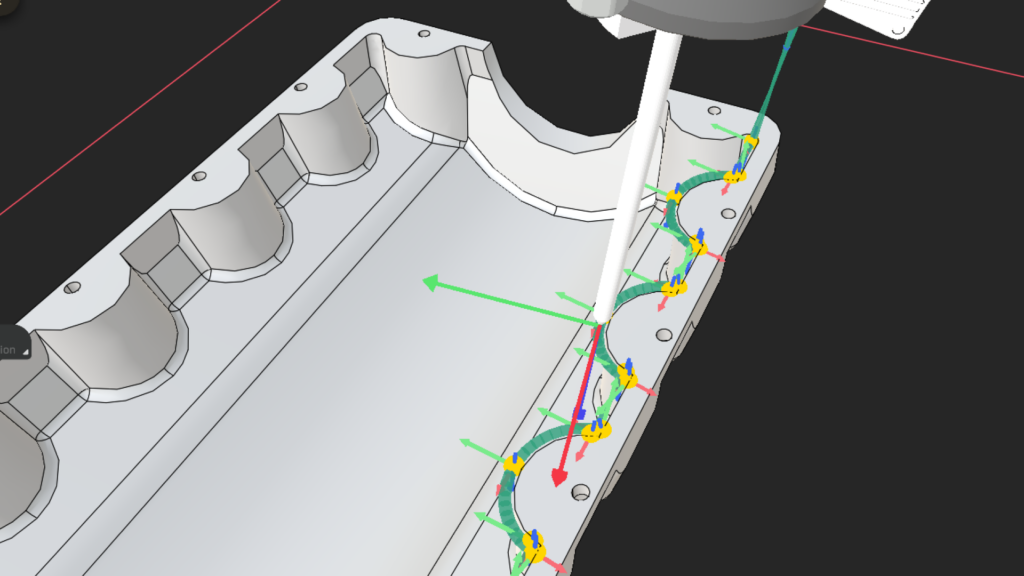
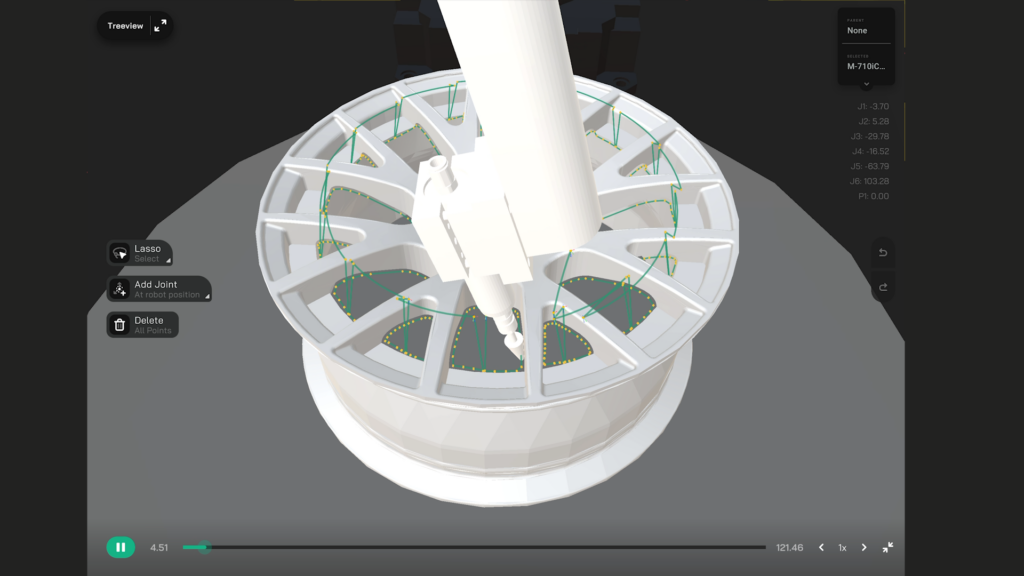
A no-code platform sits one layer above the controller languages. You define the process — surface finishing, welding, deburring — and the system generates the brand-specific program underneath. The same recipe drops onto an ABB cell as drops onto a KUKA, with the conversion handled by the platform.
That layer is what Augmentus provides. The shop floor stays multi-brand without paying the multi-language cost.