Applications of robotic automation in the manufacturing industry
Where robots are already pulling their weight on the shop floor — and where they still struggle.

Robotic automation has moved from automotive body lines into a much wider set of manufacturing processes over the last decade. The question is no longer whether robots can do the work — it's whether the unit economics make sense for your specific operation.
Where robots are already winning
Three workflows have become standard:
- Welding — repetitive, high-volume seam welds on jigs and fixtures. The original robotic application and still the largest by deployment count.
- Sanding and surface preparation — robots handle the dust, the noise, and the repetitive arm motion that wears down human operators.
- Sandblasting and shot peening — hazardous environments where keeping people out of the booth is its own justification.
In each of these cases, the labour shortage is forcing the conversation: it's increasingly hard to staff these jobs even when the budget is there.
Where traditional robots still struggle
The classic objection has been changeover. If your parts vary — and most non-automotive manufacturers run high-mix lines — every variant has historically meant a new programming cycle. That programming overhead has been the wall between robots and broader manufacturing adoption.
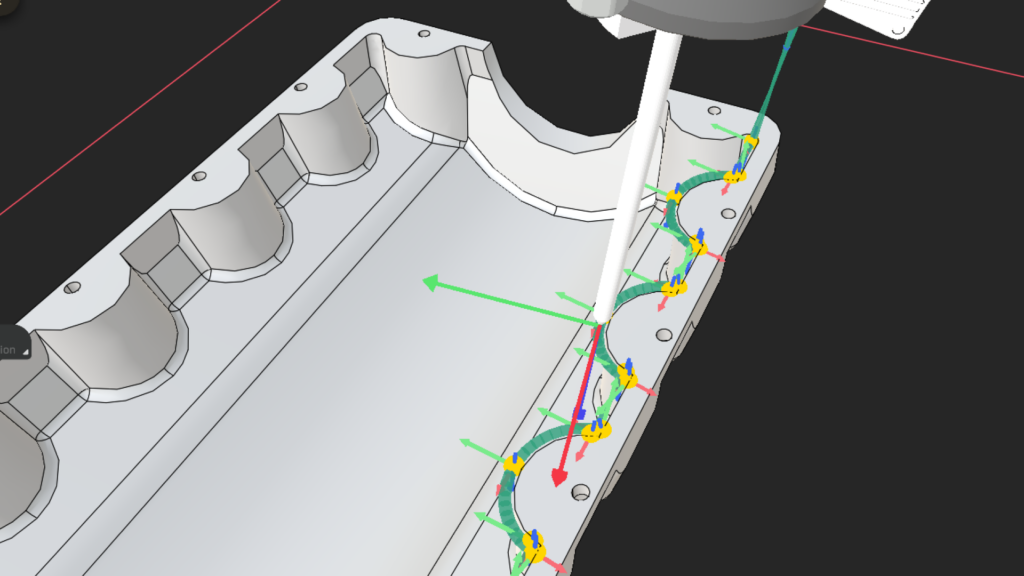
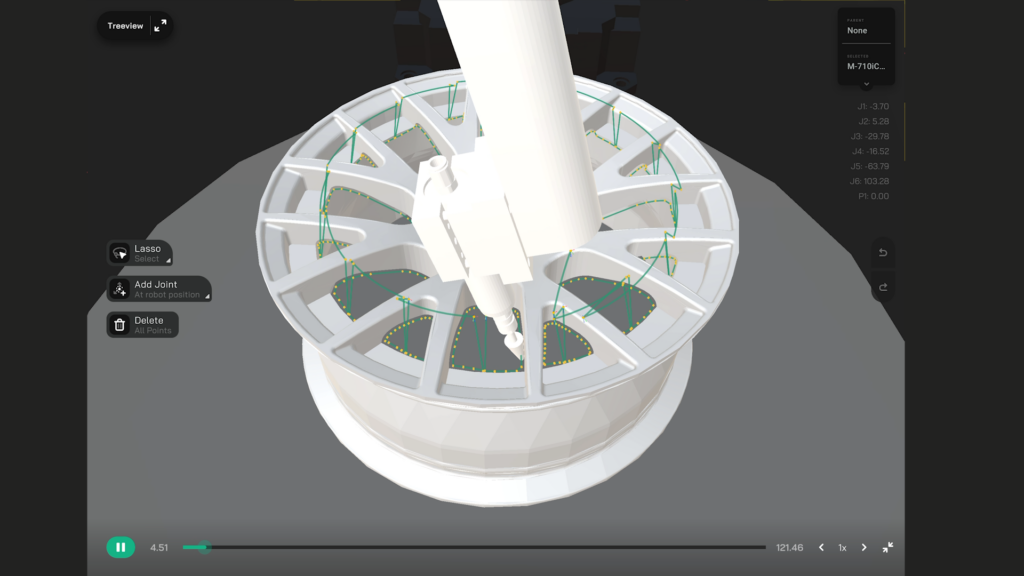
Modern adaptive platforms collapse the programming step. A 3D scan plus a no-code recipe generates the toolpath, which means the first part of a new variant takes the same effort as the hundredth of a familiar one.